




Fertility Preservation
(Freezing & Banking)
Fertility preservation allows individuals and couples to secure their reproductive options for the future. Advances in freezing and cryo-storage technology mean eggs, sperm, and embryos can be stored safely for years, preserving their quality until the time is right to pursue pregnancy.
This option is especially valuable for patients undergoing medical treatments, couples planning for future family growth, or women who wish to delay childbearing without compromising fertility.

What is
Egg Freezing?
Also known as oocyte freezing, this technology gives women the choice to preserve their eggs at a younger age, when they are at their healthiest, for use later in life.
As more women choose to delay motherhood into their late 30s or early 40s, egg freezing ensures that fertility does not decline with age. Eggs retrieved in a woman’s early 30s will retain the same quality even after a decade or more in storage.
Why Consider Egg Freezing?
What is
Sperm Freezing?
Sperm banking involves freezing and storing semen for later use in assisted reproductive treatments such as IVF or ICSI.
It is recommended for men who:
Sperm freezing provides peace of mind and ensures the possibility of biological fatherhood even if fertility is compromised later.
What is
Embryo Freezing?
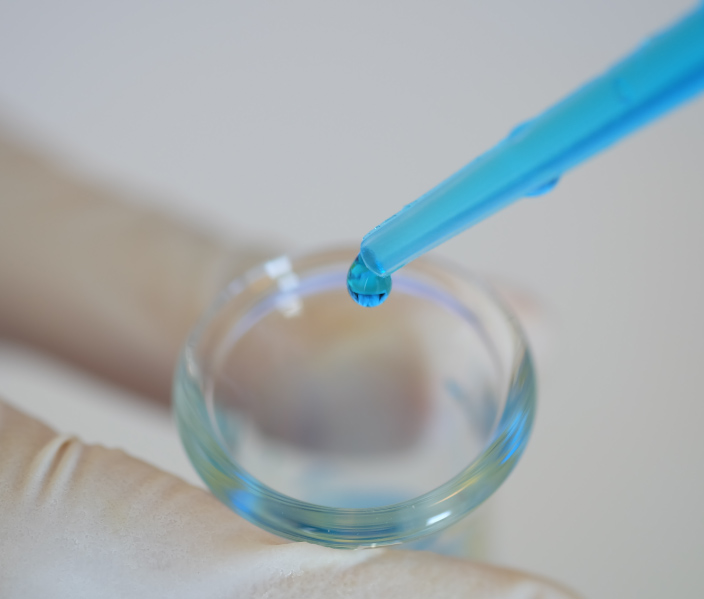
Embryo freezing, or cryopreservation, stores embryos created during an IVF cycle for future use.
During IVF, ovarian hyperstimulation produces multiple eggs, which are fertilised to create embryos. To minimise the risks associated with multiple pregnancies, only one or two embryos are transferred into the uterus. The remaining healthy embryos are frozen and stored in liquid nitrogen at –196°C.
Why Consider Embryo Freezing?